


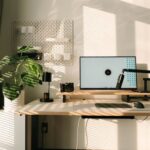
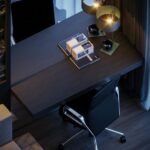


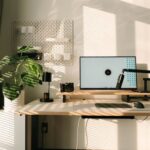
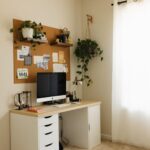
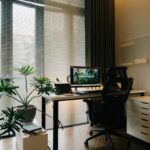
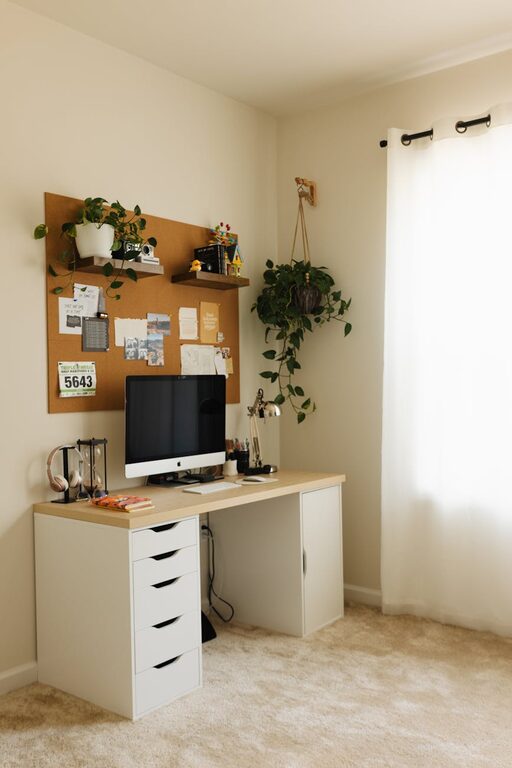
Creating a home office that balances comfort and productivity can make a significant difference in your work experience. A cozy environment helps you feel relaxed and motivated, while a productive setup supports focus and efficiency. Here are some helpful tips to design a home workspace that works well for you.
Choose the Right Location
Selecting the best spot for your home office is the first step. Ideally, pick a quiet area with natural light. Whether it’s a spare room, a corner in the living room, or a section of your bedroom, the key is to find a place where you can work with minimal distractions.
– Avoid high-traffic areas if possible.
– Ensure there is enough space for your desk, chair, and equipment.
– Consider how close the space is to power outlets and internet access.
Invest in Comfortable Furniture
Your desk and chair are the foundation of a good workspace. Ergonomics are important to prevent discomfort during long work hours.
– Choose an adjustable chair with good lumbar support.
– Opt for a desk that suits your work style and fits comfortably in your chosen space.
– If space is limited, consider a wall-mounted desk or a compact, multi-functional table.
Optimize Lighting
Proper lighting can reduce eye strain and improve mood. Aim for a combination of natural and artificial light.
– Position your desk near a window to take advantage of daylight.
– Use blinds or curtains to control glare.
– Add a desk lamp with adjustable brightness for focused lighting during evening hours.
Organize Your Workspace
Clutter can be distracting and reduce productivity. Keeping your office tidy helps maintain focus and efficiency.
– Use shelves, drawers, or organizers to store supplies.
– Keep only essential items on your desk surface.
– Regularly declutter to maintain a clean and inviting space.
Add Personal and Cozy Touches
While functionality is key, a welcoming environment makes work more enjoyable.
– Incorporate soft textiles such as a cozy rug or cushions on your chair.
– Decorate with plants to bring life and improve air quality.
– Hang artwork or photos that inspire you.
– Use calming colors, like blues or greens, to create a peaceful atmosphere.
Minimize Noise and Distractions
If your home is noisy, consider ways to reduce sound that might interrupt your work.
– Use noise-canceling headphones.
– Add soft furnishings like curtains and rugs to absorb sound.
– Set clear boundaries with family or housemates during work hours.
Set Up Technology Efficiently
Having reliable technology is essential to a productive home office.
– Invest in a good-quality monitor and keyboard to improve comfort.
– Ensure your internet connection is fast and stable.
– Manage cables neatly with clips or sleeves to avoid tangles and hazards.
Maintain a Work Routine
Your environment supports productivity, but habits also matter.
– Set working hours and take regular breaks.
– Keep your workspace dedicated to work to create a mental boundary between work and relaxation.
– Use a planner or digital tool to stay organized.
Pay Attention to Air Quality and Temperature
Comfort also depends on the air you breathe and the room temperature.
– Open windows regularly for fresh air.
– Consider an air purifier if needed.
– Adjust heating or cooling to maintain a comfortable temperature.
Final Thoughts
Designing a cozy and productive home office is about balancing comfort and practicality. With thoughtful choices in location, furniture, lighting, and organization, you can create a space that encourages focus and well-being. Personal touches and good habits help turn your home office into a place where work feels natural and enjoyable. Take time to experiment and adjust your setup until you find what truly works for you.