


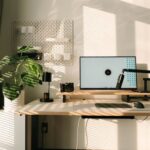
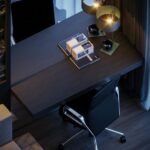


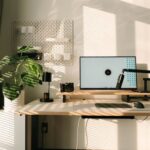
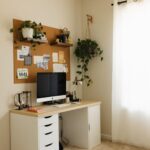
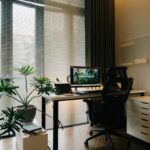
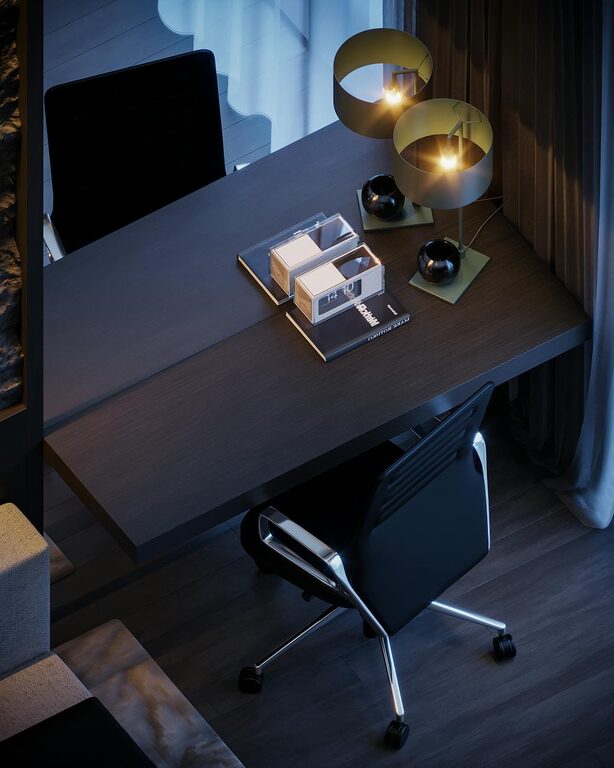
Creating a home office that feels comfortable yet efficient is essential for anyone working remotely or who needs a quiet space for projects and tasks. A well-designed office can help reduce stress, increase productivity, and make working from home a more enjoyable experience. If you’re looking to create a cozy and functional home office space, this guide offers practical tips to get started.
Choose the Right Location
Selecting the right spot for your home office is the first step. Ideally, choose an area that can be dedicated solely to work, away from distractions. This could be a spare room, a quiet corner in the living area, or even a part of your bedroom. Having a separate space helps to mentally separate work from relaxation.
– Natural Light: Position your desk near a window if possible. Natural light improves mood and reduces eye strain.
– Privacy: Consider a spot where you won’t be interrupted by household noise or activities.
– Space: Ensure there’s enough room for your desk, chair, and any equipment or storage you need.
Invest in Comfortable and Supportive Furniture
Comfort plays a critical role in how well you can focus during work hours. Ergonomic furniture can prevent discomfort and long-term health issues.
– Desk: Choose a desk with enough surface area for your computer, documents, and accessories. A height-adjustable desk can be a great option for switching between sitting and standing.
– Chair: Select an ergonomic chair that supports your lower back and promotes good posture. Adjustable height and armrests can enhance comfort.
– Supportive Accessories: Consider footrests, cushions, or wrist supports if needed.
Organize with Purposeful Storage
Clutter can be distracting and stressful. Organized storage helps to keep your workspace tidy and focused.
– Shelving: Use wall shelves or bookcases to store books, files, and decor items out of the way.
– Drawers and Bins: Utilize desk drawers and storage bins for supplies like pens, paper, and gadgets.
– Cable Management: Manage cords with clips or cable boxes to maintain a neat appearance.
Use Calming and Inviting Decor
Decor doesn’t need to be elaborate to create a cozy environment. Choose calming colors, art, and accessories that make your office inviting.
– Color Scheme: Soft, muted colors like blues, greens, or neutrals can create a peaceful atmosphere.
– Plants: Adding greenery improves air quality and brings a touch of nature indoors.
– Personal Touches: Display photos, inspirational quotes, or small objects that make you smile, but avoid overcrowding.
Optimize Lighting for Function and Comfort
Good lighting reduces eye strain and helps you stay alert.
– Task Lighting: Use a desk lamp with adjustable brightness to focus light where you need it most.
– Ambient Lighting: Soft overhead lights or floor lamps can complement natural light without causing glare.
– Avoid Screen Glare: Position lighting to minimize reflections on your computer screen.
Incorporate Technology Thoughtfully
Choosing the right tools and technology can enhance your work experience.
– Reliable Internet: Ensure strong and stable internet connectivity.
– Quality Equipment: Invest in a good monitor, keyboard, mouse, and headset if you participate in video calls.
– Tech Setup: Arrange equipment ergonomically and keep frequently used devices within easy reach.
Establish a Routine and Boundaries
Physical space is important, but so is creating mental boundaries.
– Set Work Hours: Stick to regular start and end times for your workday.
– Break Spaces: Designate an area away from your desk to take breaks, helping to reset your mind.
– Limit Distractions: Communicate your work schedule to household members to minimize interruptions.
Maintain Your Space Regularly
Once your home office is set up, keep it clean and organized.
– Daily Tidying: Spend a few minutes each day clearing your desk.
– Weekly Cleaning: Dust, vacuum, and sanitize your workspace regularly.
– Review Supplies: Keep track of what you need to restock or replace.
Adapt and Personalize Over Time
Your needs might change, so be flexible in updating your space.
– Evaluate Comfort: Adjust furniture or lighting as needed.
– Add or Remove Items: Keep your office space aligned with your workflow and style preferences.
– Experiment with Layouts: Rearrange your setup occasionally to refresh the environment.
—
Creating a home office that strikes the perfect balance between coziness and functionality is achievable with a bit of planning and attention to detail. By considering comfort, organization, lighting, and your work habits, you can design a space that supports your productivity and makes working from home a pleasant experience. Happy decorating!