


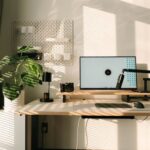
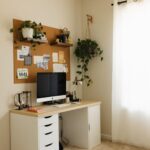
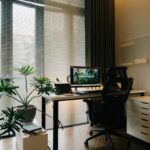
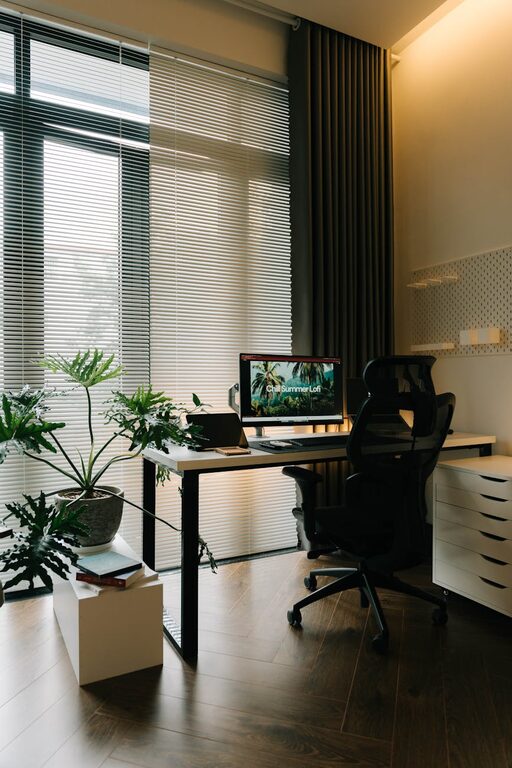
Creating a relaxing home office environment can make a big difference in your daily work experience. A space that feels calm, organized, and comfortable helps reduce stress and improve your concentration. Whether you work from home full-time or occasionally need a quiet spot for tasks, these tips will guide you in designing a workspace that supports your well-being and productivity.
Choose the Right Location
Your home office should be in a spot that minimizes distractions and suits your work needs.
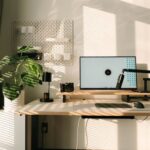
– Natural light: Pick a room or corner near a window if possible. Natural light improves mood and reduces eye strain.
– Quiet area: Choose a space away from noisy appliances, busy family areas, or high-traffic zones.
– Space to move: Make sure there’s enough room for your desk, chair, and any equipment you need, without feeling cramped.
Invest in Comfortable, Supportive Furniture
Your furniture is the foundation of a relaxing office. The right pieces provide comfort and encourage good posture.
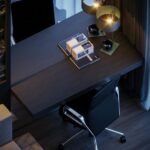
– Ergonomic chair: Find a chair with adjustable height, lumbar support, and comfortable cushioning.
– Desk at proper height: Your desk should allow for arms to rest at about a 90-degree angle.
– Extra seating: If space allows, add a small comfy chair or ottoman for breaks or informal meetings.
Organize to Reduce Clutter
A tidy workspace helps clear your mind and prevents distractions.
– Use storage solutions: Shelves, filing cabinets, and desk organizers keep supplies and documents neatly stored.
– Limit desk items: Keep only essential tools and materials within arm’s reach.
– Daily tidy-up: Take a few minutes at the end of each day to put things away.
Personalize Your Workspace Mindfully
Adding personal touches makes your office feel inviting, but avoid overcrowding the space.
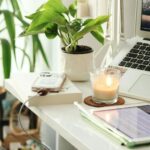
– Plants: A small plant adds color and fresh air without being overwhelming.
– Art or photos: Choose calming images that inspire or relax you.
– Color scheme: Use soft, soothing colors like blues, greens, or neutrals for walls and accessories.
Control Lighting and Screen Glare
Proper lighting prevents eye strain and creates a balanced atmosphere.
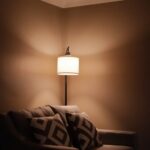
– Layered lighting: Combine overhead lights, desk lamps, and natural light to reduce shadows.
– Adjust screen brightness: Match your monitor’s brightness to the room’s lighting to avoid fatigue.
– Anti-glare screens: Consider screen protectors or positioning your monitor to reduce reflections.
Incorporate Soothing Sounds or Silence
Sound impacts focus and mood, so choose what works best for you.
– Noise-cancelling headphones: Great for blocking out distractions.
– Background music: Soft instrumental music or nature sounds can create a peaceful ambiance.
– Silence: If you prefer quiet, let others in your home know your working hours.
Keep Air Quality Fresh
Good ventilation helps keep you alert and comfortable.
– Open windows: When weather permits, allow fresh air to circulate.
– Air purifiers: Consider using an air purifier if your area has limited airflow.
– Avoid strong scents: Harsh odors from candles or cleaning products can be distracting.
Establish Boundaries and Routine
A relaxing environment also depends on how you manage your time and interactions.
– Set work hours: Create a schedule to separate work time from personal life.
– Limit interruptions: Use signals like a closed door or a “do not disturb” sign when focused.
– Take breaks: Step away to stretch, breathe, or move around regularly.
Add Comfort and Wellness Accessories
Small additions can improve your physical comfort and overall mood.
– Footrest: Supports your legs and improves circulation.
– Anti-fatigue mat: Useful if you alternate between sitting and standing.
– Water bottle: Stay hydrated by keeping water nearby.
—
By implementing these tips, your home office can become a space that not only supports productivity but also provides a sense of calm and relaxation. The right environment makes working from home more enjoyable and helps maintain a healthy balance between work and personal life. Start with small changes and adjust your space as needed to find what works best for you.